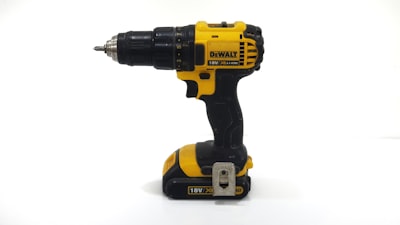
A construction site and a machinery workshop demand completely different tools. Using the wrong tool grade for your working conditions doesn't just reduce efficiency — it creates serious safety hazards. Here's how to match the right industrial-grade tool to every job.

Understanding Tool Steel: Chrome Vanadium vs High Carbon Steel
The material your tools are made from determines everything: durability, edge retention, rust resistance, and safety. The two dominant steels for industrial hardware tools are:
Chrome Vanadium Steel (CrV)
Chrome vanadium steel is the gold standard for industrial hand tools. Adding chromium and vanadium to steel dramatically improves its strength, toughness, and resistance to wear and corrosion. Tools made from CrV steel can withstand repeated heavy use without cracking or deforming.
Best for: Wrench sets, socket sets, pliers, screwdrivers, ratchets — any tool that undergoes repeated torque and stress.
High Carbon Steel (HCS)
High carbon steel tools hold sharp edges longer than ordinary steel — making them ideal for cutting tools. However, without proper coating or treatment, they're more prone to rust.
Best for: Hand saws, chisels, punches, wood-cutting tools. Avoid using HCS for applications where corrosion resistance is critical.
| Steel Type | Key Properties | Best Applications | Price Point |
|---|---|---|---|
| Chrome Vanadium (CrV) | High strength, rust-resistant, tough | Wrenches, sockets, pliers, ratchets | Mid-High |
| High Carbon Steel (HCS) | Hard edge, wear-resistant, rust-prone | Saws, chisels, cutting tools | Low-Mid |
| Carbon Steel + Coating | HCS properties + rust protection | Outdoor, humid, marine environments | Mid |
| Chrome Steel | Corrosion-resistant, good hardness | Bearings, precision tools | High |
⚠️ Safety Warning
Low-grade "pot metal" tools (zinc alloy, die-cast) are common in African markets. These shatter under impact — a hammer head that shatters sends metal fragments flying. Always verify steel grade before purchase. If a tool is extremely cheap, it's probably pot metal.
Matching Tools to Working Conditions
1. Construction Site (Indoor/Dry)
Primary concerns: dust, debris, repeated impact, moderate moisture
- Hammers: 20-32oz claw hammers or ball peen hammers with fiberglass handles
- Screwdrivers: CrV steel, magnetic tips, cushion grip handles
- Wrenches: Chrome vanadium combination wrenches, 6-24mm range
- Pliers: High-leverage diagonal pliers, linesman pliers
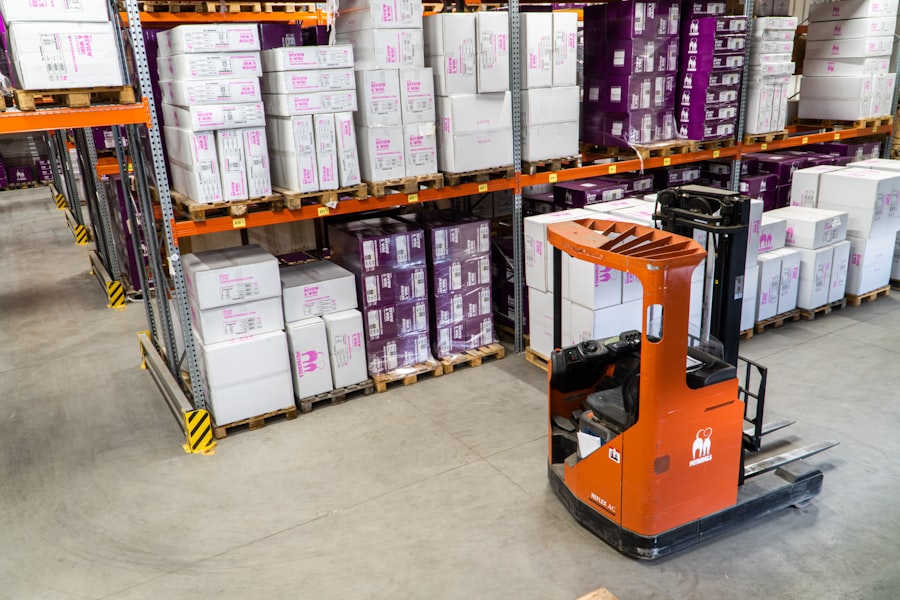
2. Machinery Repair Workshop (Oil, Grease, Moisture)
Primary concerns: oil degradation, grease contamination, continuous use
- Wrench sets: Full chrome vanadium socket sets (6-point sockets grip better than 12-point)
- Torque wrenches: Essential for engine and machinery assembly — prevents over-tightening
- Feeler gauges: Measuring clearances in engines and gearboxes
- Pliers: Locking pliers (Vise-Grip style), needle-nose for confined spaces
- Strike tools: Center punches, pin punches, chisel sets — must be CrV or HCS
3. Outdoor/Farm/Construction (High Humidity, Rain, Dust)
Primary concerns: corrosion, temperature extremes, dust infiltration
- All tools: Look for anti-corrosion coating (black oxide, phosphate, or chrome plating)
- Pliers: Fully insulated handles for electrical work near wet conditions
- Cutting tools: Stainless steel or coated high carbon steel
- Storage: Tool boxes with sealing gaskets to keep out dust and moisture
4. Electrical Work (Safety Critical)
Primary concerns: electrical insulation, safety certification
- Screwdrivers: VDE-certified insulated screwdrivers (1000V rated)
- Pliers: Insulated pliers with VDE or IEC 60900 certification
- Cable cutters: Insulated handles, proper wire gauge range
- Voltage testers: Non-contact voltage detectors as first-check safety tool
"A tool that costs twice as much but lasts 5 times longer costs half as much per job. Industrial buyers know this. They buy CrV once, not cheap tools repeatedly."
The ISO Standards That Matter
For industrial-grade tools sold in Africa, these certifications indicate genuine quality:
- ISO 9001: Quality management system — factory has consistent quality controls
- ISO 67 — Hand Tools: Safety and performance requirements for various hand tool categories
- IEC 60900: Insulated hand tools for electrical work up to 1000V AC / 1500V DC
- CE Marking: Confirms tools meet EU safety, health, and environmental requirements
📋 Minimum Standards Checklist for Industrial Buyers
□ Chrome vanadium steel for all torque tools (wrenches, sockets, ratchets)
□ High carbon steel with coating for all cutting tools
□ ISO 9001 or CE certified manufacturer
□ Minimum 6-month warranty against manufacturing defects
□ Voltage compatibility: 220V for all electrical-adjacent tools
Building Your Industrial Tool Inventory
For workshops and contractors serving Nigerian industries, we recommend starting with:
| Category | Essential Range | Recommended Quantity |
|---|---|---|
| Combination Wrench Set | 6-24mm (12-17 pieces) | 2 sets minimum |
| Socket Set (6-point) | 6-24mm with ratchet and extensions | 1-2 complete sets |
| Screwdriver Set | Phillips #0-4, Flathead 3-10mm | 1 set (8-12 pieces) |
| Diagonal Cutting Pliers | 6", 8" sizes | 3-4 pairs |
| Adjustable Wrenches | 6", 8", 10", 12" | 1 of each size |
| Ball Peen Hammers | 8oz, 16oz, 24oz | 1 of each |
| Torque Wrench | 10-150 Nm range | 1 (critical for engine work) |
Ready to Source Industrial Tools?
YUWU JIANAI supplies industrial-grade hardware tools to workshops, contractors, and machinery companies across Nigeria and East Africa. All tools are ISO 9001 certified factory products, CrV or specified steel grades, and available with SONCAP documentation for Nigerian importers. Contact our export team for B2B pricing.