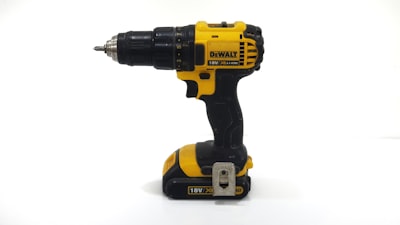
This is the question every hardware buyer wrestles with: do I buy a ₦80,000 cordless drill or a ₦8,000 hand drill? The answer isn't obvious — it depends entirely on your use case, budget, and working environment. Here's the definitive comparison.
The Core Difference
Hand tools convert human muscle power into mechanical work. No electricity, no battery, no fuel. They work anywhere, anytime, regardless of conditions.
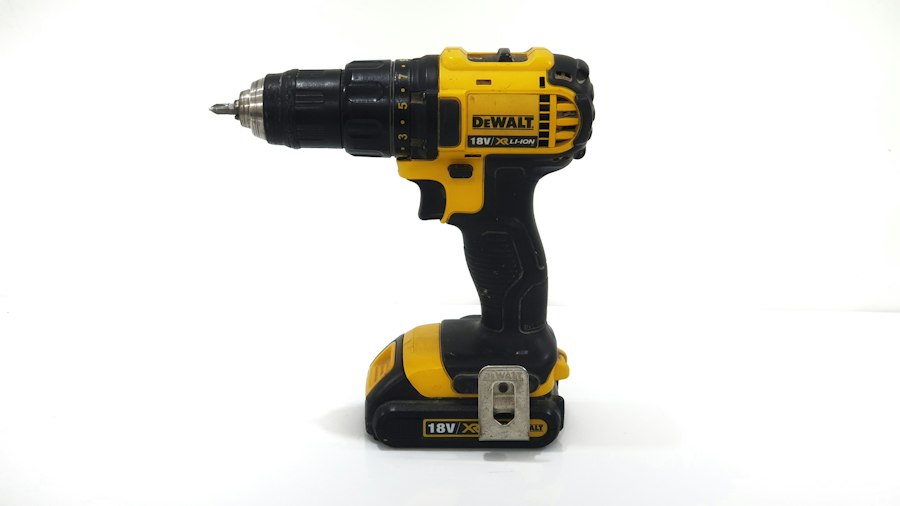
Power tools use electric motors (corded) or rechargeable batteries (cordless) to deliver mechanical work — faster, more consistently, and with less physical effort.
📊 The Speed Reality
A power drill drives a #10 wood screw in 3 seconds. The same screw with a hand screwdriver takes 30-45 seconds of sustained effort. For repetitive work — driving 200 screws — that's 2.3 hours of labor saved.
When Hand Tools Win
1. Precision Work
Master carpenters prefer hand planes for final smoothing because they feel the work. A hand screwdriver gives you direct tactile feedback that prevents over-driving screws. When precision matters more than speed, hand tools excel.
2. Electrical Risk Environments
In wet conditions, near live electrical circuits, or in poorly grounded buildings — cordless tools with lithium batteries are significantly safer than corded tools. And hand tools are safest of all.
3. Infrequent Use
If you drive 10 screws a year, a ₦8,000 hand screwdriver serves you perfectly for a decade. A ₦80,000 cordless drill — with battery degradation, occasional charging inconvenience, and higher storage requirements — may not deliver better value.
4. No Electricity or Charging Infrastructure
In rural Africa, where power is unreliable or absent, hand tools work regardless. A cordless drill that's always dead provides zero value.

When Power Tools Win
1. High Volume Repetitive Work
Contractors driving 500+ fasteners per day need power tools. The physical toll of hand-driving that many screws is severe — and impacts deadline speed. Power tools pay for themselves in labor savings on large projects.
2. Professional Standards
Professional auto mechanics, workshop technicians, and construction professionals need consistent, repeatable results. A torque wrench on a cordless drill delivers consistent tightness. A hand screwdriver varies person to person.
3. Working in Confined Spaces
Cordless tools provide freedom of movement. No cord to manage, no outlet to find. A mechanic working inside an engine bay needs cordless.
4. Heavy-Duty Industrial Applications
Grinding metal, cutting rebar, drilling concrete — these applications are physically impossible or dangerously slow with hand tools. Power tools aren't optional here; they're mandatory.
| Application | Best Choice | Why |
|---|---|---|
| Home occasional use | Hand tools | Cost effective, reliable, no maintenance |
| DIY home improvement | Starter cordless kit | Best balance of convenience and cost |
| Tyre shop (impact wrench) | Cordless impact wrench | Repetitive use, speed essential |
| Professional workshop | Mixed: quality corded + cordless | Each tool for its optimal application |
| Rural/off-grid location | Quality hand tools | No dependency on electricity |
| Construction site (heavy) | Corded power tools | Sustained power, no battery limitations |
"The best tool is the one you'll actually use. A ₦150,000 cordless drill sitting uncharged in a toolbox is worth less than a ₦15,000 hand drill that always works." — Workshop wisdom
The Africa-Specific Factors
220V Power Reality
All power tools sold for African markets must be 220V. When importing, verify voltage compatibility — 110V tools from the US or Japan will burn out instantly on Nigerian mains. YUWU JIANAI supplies only 220V wide-voltage (200V-240V compatible) power tools.
Battery Availability
Replacement cordless tool batteries can be difficult to source in Nigeria. When buying cordless tools, consider: (1) availability of replacement batteries locally, (2) whether the battery platform uses a common form factor (18V platforms have the most compatible batteries globally).
Heat and Dust
African construction environments are hot and dusty. Look for power tools with IP54+ dust and splash protection ratings. Standard tools clog faster in dusty environments.
💡 The Recommended Africa Starter Mix
For most Nigerian and Kenyan hardware retailers and workshops: Buy quality hand tools for reliability + ONE quality cordless kit for convenience. Focus cordless investment on the most used tool (typically a drill/driver or impact wrench). Use corded power for sustained heavy applications.
Making the Decision
Ask yourself these three questions:
- How many times will I use this in a year? If under 20 times, hand tools. If over 100 times, power tools.
- How important is speed? If time = money (professional), power tools. If time is flexible, hand tools suffice.
- Do I have reliable electricity? If no, prioritize hand tools or invest heavily in cordless with multiple batteries.
YUWU JIANAI supplies both industrial-grade hand tools and power tools (220V corded and cordless). Contact our team for recommendations specific to your use case.